Auto Repair Lead Generation

Bring more of the repair work you want into your shop.

Element DMA connects Google Ads, local search, your website, and call analysis to attract inquiries for the services your shop actually performs. We help you see which sources bring qualified opportunities and where those opportunities are being lost.

Managed marketing for independent auto repair shops. Your channel mix starts with your services, market, budget, and capacity.

Service advisor taking a repair inquiry by phone inside an auto repair shop
From a local search to a real conversation about a repair.

Build a lead flow around your own shop.

We manage the marketing that brings repair inquiries directly to your business.

We build campaigns and improve the places where customers discover and contact your shop. The work can include paid search, Google Business Profile, organic search, service pages, and lead tracking, depending on the agreed plan.

Your priorities shape the targeting: more diagnostics, brake work, AC repair, or other services you want to grow. Vehicle types, service area, appointment availability, and the work you do not accept matter just as much.

Before launch, define the channels, budget, account access, reporting, and who handles incoming inquiries. Those decisions make the plan useful to both the marketing team and your service advisors.

  1. Reach the right local driver

    Match searches to the repairs, vehicles, and locations your shop serves.

  2. Make contacting you easy

    Connect relevant ads and search results with clear pages, calls, and forms.

  3. Learn from the inquiry

    Review source and service fit, then use the findings to improve the next campaign decision.

A phone call is the start of an opportunity.

Good reporting separates contact volume from customer intent—and customer intent from a booked or completed repair.

Use the same definitions when comparing campaigns and sources.
StageWhat it tells youWhat to check next
InquiryA person called or submitted a form.Is this a new repair request, an existing customer, or an unrelated contact?
Qualified opportunityThe customer has repair intent and a need the shop can serve.Confirm service, vehicle, location, and an appropriate next step.
Booked appointmentThe customer and shop agreed on a visit or another defined next step.Record the booking outcome separately from lead qualification.
Completed repairThe job closed in the shop’s records.Connect the repair order and revenue where reliable matching is available.

Asking about price does not automatically make someone a poor lead. We look at the service need and the conversation. Spam, wrong numbers, unsupported work, and existing-customer status calls should be reported separately from new repair opportunities.

Our published EGL methodology classifies eligible first-time calls scoring 6 or higher out of 10 as AI-qualified. Qualification does not mean an appointment or sale. See the qualification methodology and research.

Results with the budget and context attached.

Two published campaigns show how service focus, local competition, and investment shape the results.

MPB Auto Repair shop in Rancho Cordova

MPB Auto Repair

General auto repair · Rancho Cordova, California

Reported monthly ad budget
$17,100
Reported average calls per month
689
Reported cost per call
$24.78

Google Ads targeting, call attribution, and local profile improvements addressed a competitive market and gaps in measurement. The published case reports a previous call cost of approximately $45–50.

Read the MPB Auto Repair case study
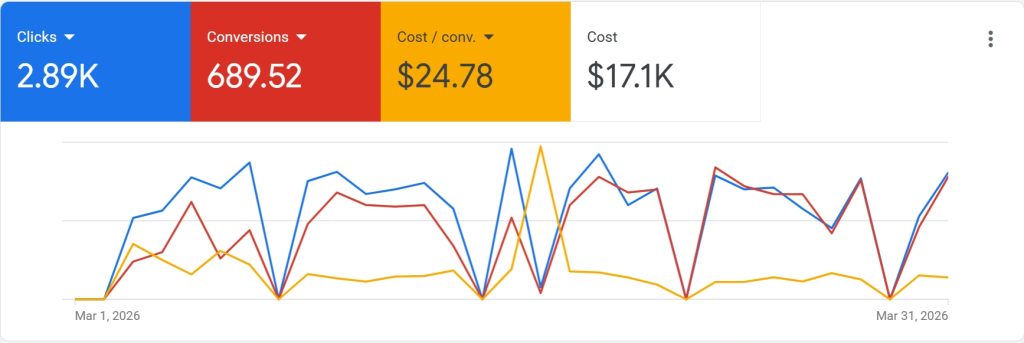
Google Ads campaign report from the published client case study — open full-size image
Campaign report from the published case study. Platform conversions and phone calls are different measures.
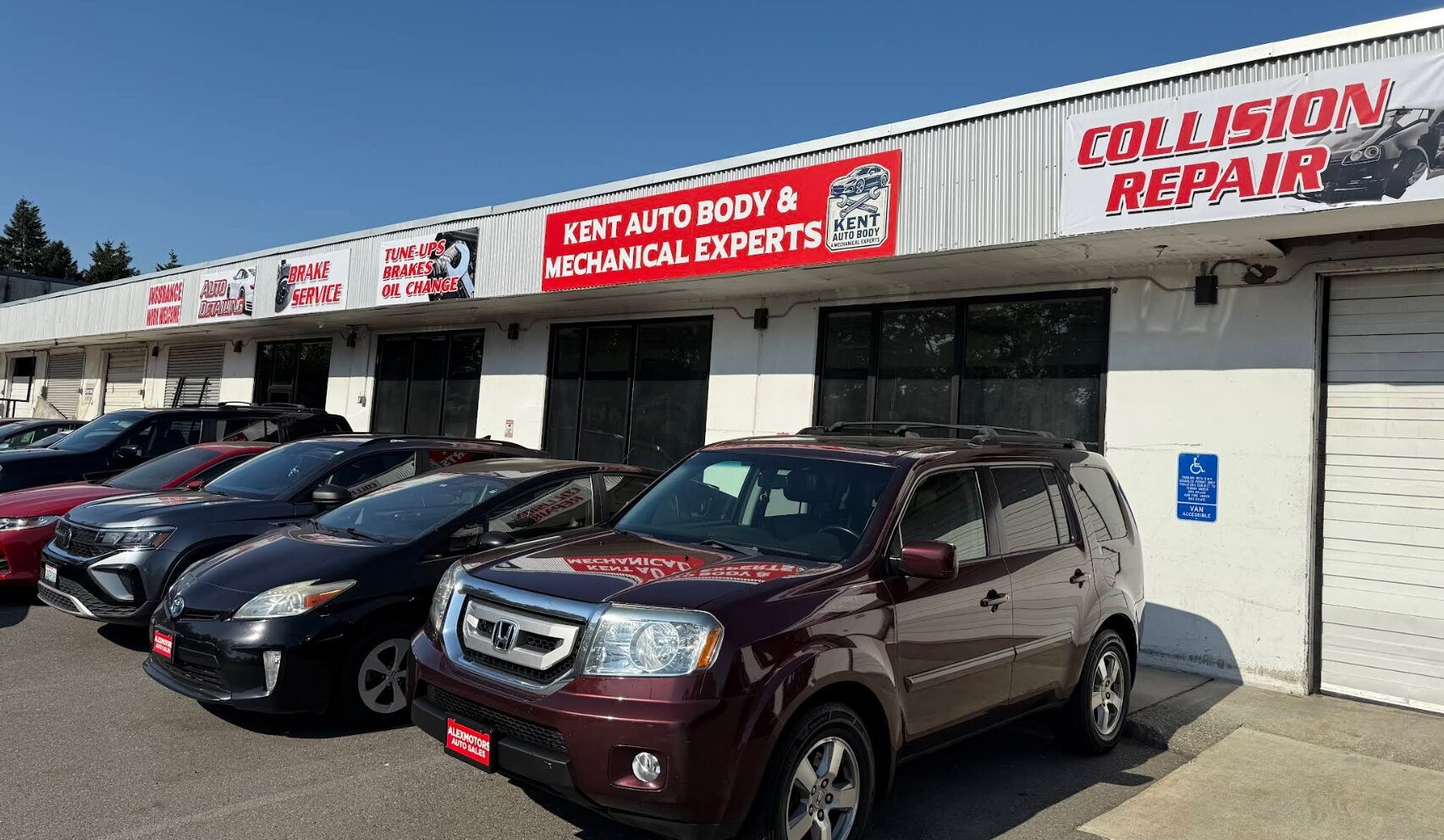
Kent Auto Body Repair shop in Washington

Kent Auto Body Repair

Auto body and collision repair · Kent, Washington

Reported monthly ad budget
$4,970
Reported average calls per month
337
Reported cost per call
$14.76

Service pages, Google Ads, and CallRail tracking established a measurable acquisition process for a shop that previously lacked structured marketing and call attribution.

Read the Kent Auto Body case study
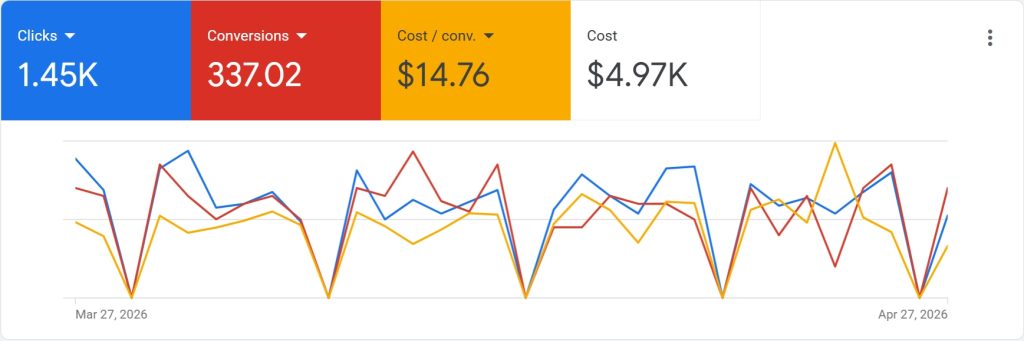
Google Ads campaign report from the published client case study — open full-size image
Campaign report from the published case study. Platform conversions and phone calls are different measures.

Historical figures from the linked case studies, not forecasts for your shop. Calls are not equivalent to qualified leads, appointments, or completed repairs. Results vary with market, budget, service mix, and call handling.

What goes into your lead generation plan.

Start with the gaps that limit your shop today. The agreed scope determines which of these services we deliver.

Kent Auto Body Repair website shown in the Element DMA case study
Website example from the Kent Auto Body Repair case study.

Give the click somewhere useful to land.

A relevant service page helps a driver understand what you repair, where you work, and how to contact the shop. It is part of the lead generation process.

Service and market targeting

Define priority repairs, vehicle types, service area, and exclusions. Match the campaign to the work your shop can take on.

Paid search campaigns

Use Google Ads to reach relevant repair searches. Consider Local Services Ads where the business category and location are eligible.

Local and organic visibility

Improve Google Business Profile, location relevance, and service content so customers can discover and evaluate your shop.

Pages that support inquiries

Make services, location, proof, and contact options easy to find. Review forms, mobile call buttons, and the path from each campaign.

Call and form attribution

Connect inquiries with available source, campaign, and landing-page data. Keyword detail depends on the channel and tracking setup.

Quality review and improvement

Use call findings and campaign results to adjust targeting, exclusions, pages, and budget. Identify intake issues that need the shop’s attention.

EGL AI connects the work.

Lead generation is the business objective. EGL AI is the system we use to connect acquisition channels, call analysis, and marketing decisions.

Explore the EGL AI system

A campaign can generate calls while still attracting the wrong service requests. Call analysis helps reveal that difference, so the next decision is informed by what customers actually need.

We use the findings to improve the marketing. Your service advisors handle the conversation, confirm availability, and agree on the next step. Booking and repair outcomes need their own records.

The result is a clearer view of where to act: demand, targeting, the website, call handling, or follow-up.
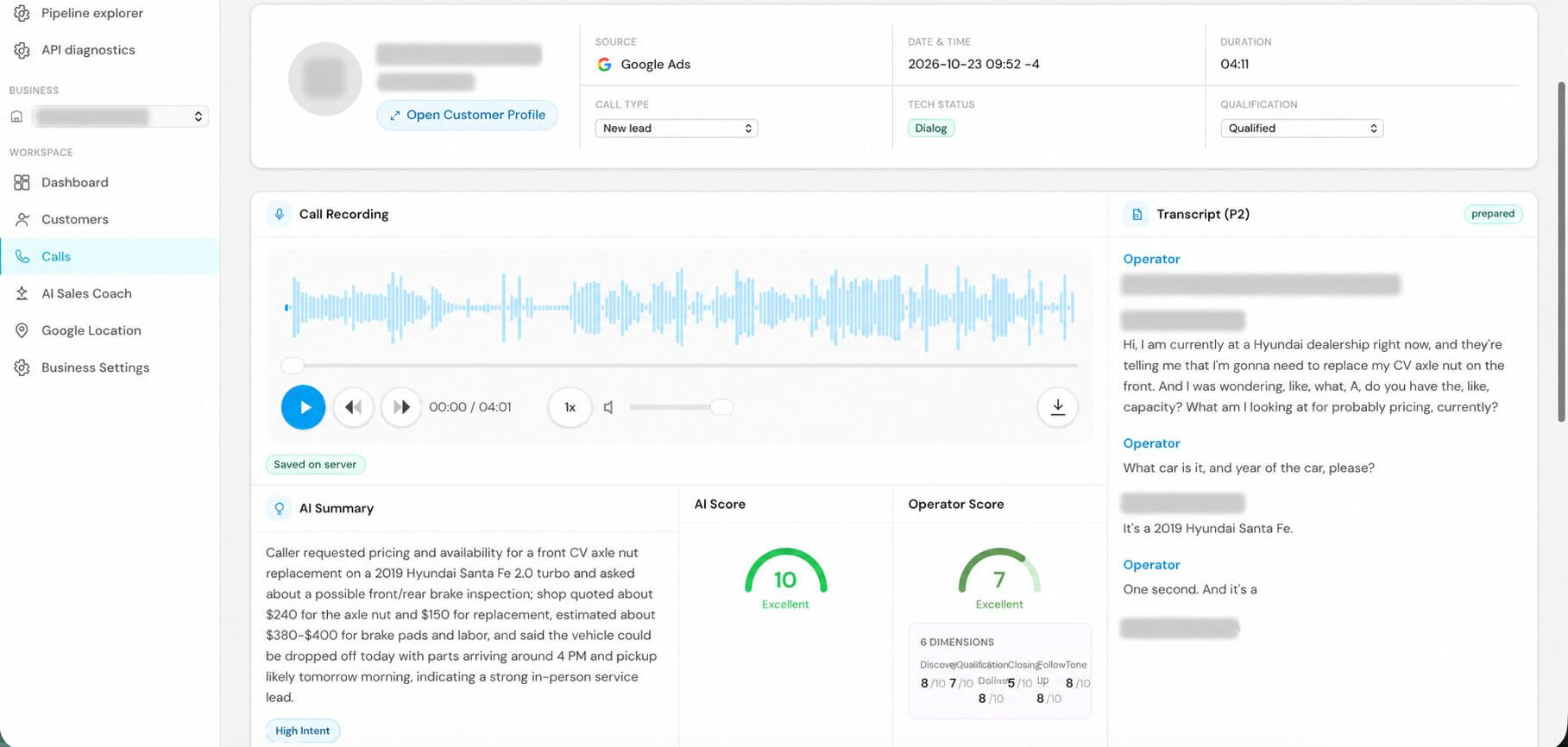
Redacted call analysis screen showing acquisition source, transcript, AI summary, and call scoring
A published, privacy-redacted call analysis example. Source, conversation, and review findings help explain the inquiry beyond a conversion count. Select the image to view it full size.

Start with a plan your shop can support.

The right investment depends on local demand, competition, priority services, and how much additional work your team can handle.

Make the full budget clear.

Review the management scope alongside advertising spend, website work, and any tracking or software charges. A management fee and a cost-per-lead metric measure different things.

Confirm account access, data access, contract terms, and any territory arrangements in the proposal. Published plans are a starting point for that discussion.

Review current plans and pricing
  1. Review the shop and the opportunity

    Discuss your services, area, current lead sources, marketing spend, and ability to answer and book inquiries.

  2. Agree on scope and measurement

    Select the channels and page improvements. Define a qualified opportunity, the reporting approach, and responsibilities on both sides.

  3. Prepare and test the launch

    Check access, campaign destinations, forms, tracking numbers, and routing before relying on the data.

  4. Review results and refine

    Compare source quality and cost, investigate missed opportunities, and use the findings to guide the next changes.

Questions before you invest.

What does auto repair lead generation include?

It connects local demand with a way to contact your shop. Depending on the plan, that can include Google Ads, local SEO, service pages, website improvements, call and form tracking, and lead-quality review. The proposal defines the channels and work included.

Is this a pay-per-lead service?

This page describes managed marketing for your shop. Evaluate the management scope and campaign budget rather than assuming a fixed price for each contact. Review the current plans and confirm the commercial terms in your proposal.

Can we focus on specific repairs or vehicle types?

Yes. Service priorities, vehicle types, location, and work you do not accept help shape targeting and page content. Campaigns should also reflect your capacity and availability. No targeting setup can prevent every unsuitable inquiry.

How soon can we expect inquiries?

Paid campaigns can begin reaching customers once setup, approvals, and launch are complete. SEO and local visibility develop over time. The starting point, market, budget, and website affect the timeline; agree on launch milestones for your shop rather than assuming a universal lead deadline.

Can you guarantee a number of leads or booked jobs?

The case studies are examples, not a promised volume. Demand, competition, budget, service mix, and how the shop handles inquiries affect results. A qualified lead is an opportunity; an appointment and a completed repair are separate outcomes.

How do you measure lead quality?

We look at whether the inquiry represents a relevant repair need the shop can serve. EGL AI’s published methodology scores eligible first-time calls and separates qualification from booking. Read the methodology and benchmarks for definitions and dataset limits.

Will we see which marketing source generated an inquiry?

Tracking can connect calls and forms with available source, campaign, and page data. The detail depends on the channel and configuration. It does not mean every organic search query can be linked to an individual caller, or that every repair can be attributed to a single touchpoint.

Who handles calls, appointments, and follow-up?

Your shop’s team handles customer conversations and scheduling unless a different arrangement is included in the agreed scope. We can identify marketing and call-handling gaps; appointments and repair outcomes need to be recorded by the team or connected systems.

Are leads exclusive, and who owns the accounts?

The campaigns described here promote your business and direct inquiries to your shop’s contact points. That does not establish a territory exclusivity agreement or determine ownership of every account. Confirm territory terms, account ownership, admin access, and data export rights in your proposal.

Tell us which repairs you want more of.

Bring your priority services, service area, current marketing spend, and a recent picture of your calls. We’ll discuss where the gaps are and which work belongs in your lead generation plan.