

How Trucking Service Businesses Can Generate More Leads Beyond Traditional Marketing
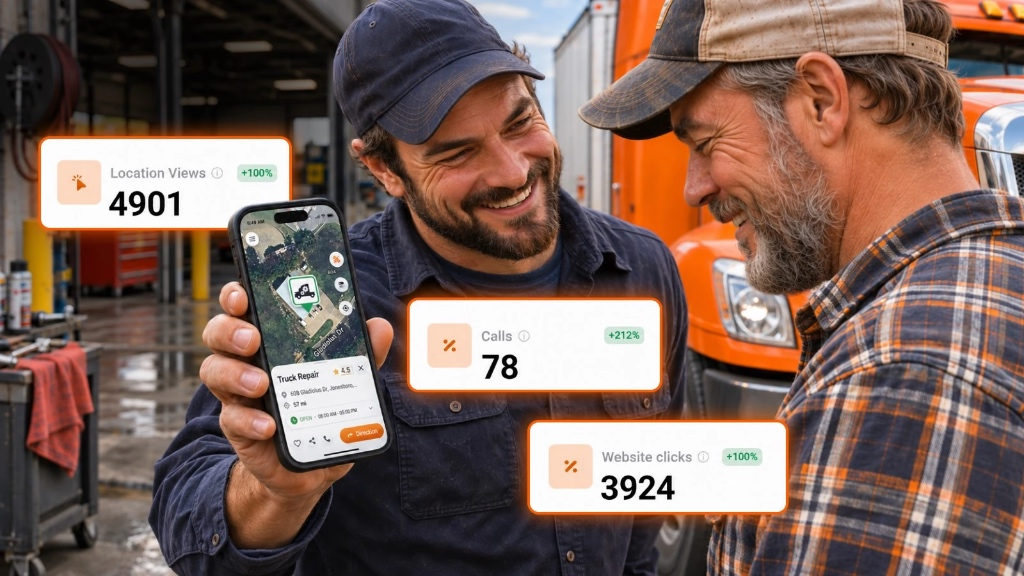
For heavy-duty repair shops, mobile mechanics, towing companies, and roadside assistance providers, finding new customers is an ongoing challenge. A business may offer reliable service, employ experienced technicians, and cover a large service area, but that does not automatically mean truck drivers will find it when they need help.
Traditional marketing channels such as Google Ads, local SEO, social media, and word-of-mouth referrals remain important. However, trucking service businesses can also benefit from marketing channels designed around the needs and habits of the trucking industry.
The key is to make your business visible where potential customers are already looking for services, provide enough information to help them make a decision, and make it easy for them to contact you.
1. Build a Strong Foundation with Traditional Marketing
Before exploring additional customer acquisition channels, trucking service businesses should make sure their existing marketing efforts are working effectively.
Several established channels remain important for attracting customers.
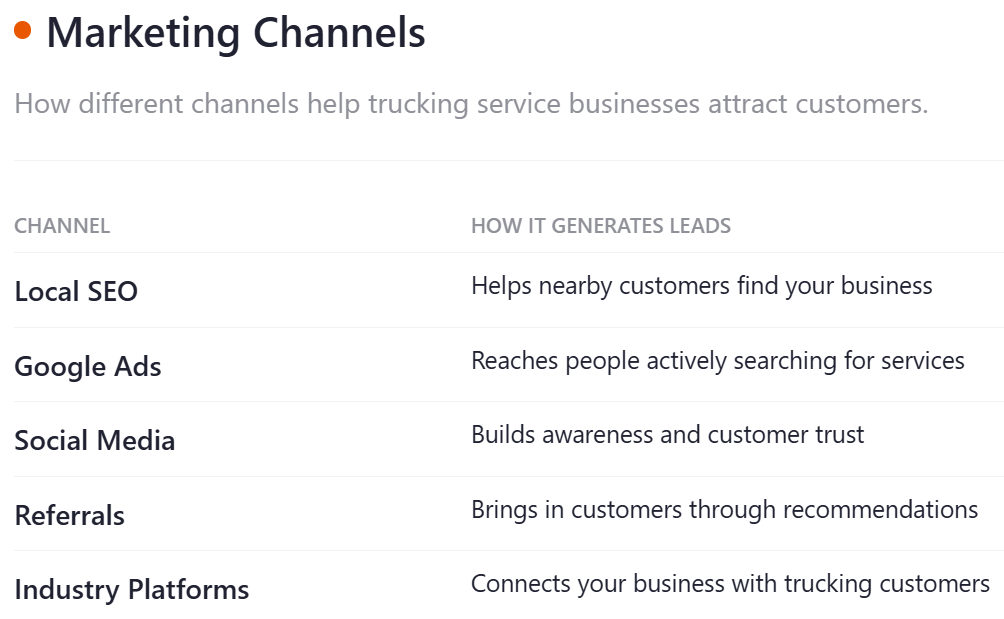
These channels form an important foundation. However, businesses should also consider where truck drivers look for services specifically related to their work.
2. Understand How Truck Drivers Find Services
The way truck drivers search for service providers often depends on their immediate situation.
A driver planning maintenance may have time to compare businesses, read reviews, and request quotes. A driver experiencing a breakdown, on the other hand, may need to find assistance as quickly as possible.
In both situations, several factors can influence the choice of provider:
- Location: Can the provider reach the driver’s current position?
- Service availability: Is the business open or available to respond?
- Services offered: Does it provide the specific repair or assistance required?
- Vehicle compatibility: Can it service the driver’s truck or equipment?
- Response time: How soon can the provider arrive?
- Business credibility: Does the listing include useful information, ratings, and customer feedback?
This creates an opportunity for businesses to improve how they present their services online.
A complete business profile should clearly explain what the company does, where it operates, which vehicles it supports, and how customers can get in touch. The easier it is for drivers to assess whether a provider meets their needs, the easier it becomes to turn a search into a potential lead.
3. Add Industry-Specific Marketing Channels
Not every online platform reaches the same audience. A general business directory may help a company reach local consumers, while a trucking-focused platform can put its services in front of drivers looking for truck-related locations and assistance.
For heavy-duty service providers, this difference matters.
A business profile on an industry-specific platform can help communicate important information before a driver makes contact, including:
- Services offered, such as tire repair, towing, or mobile maintenance.
- Business location and service coverage area.
- Operating hours and contact information.
- Supported vehicle types and specialized capabilities.
- Available facilities and accepted payment methods.
Accurate information makes it easier for potential customers to determine whether a business can meet their needs.
Companies can also use promotional placements to highlight particular services, seasonal inspections, special offers, or other reasons drivers might choose to contact them.
For example, a mobile tire service could promote its emergency tire replacement capabilities, while a repair shop could highlight its ability to handle specific truck or trailer repairs.
Trucker Guide is one example of an industry-specific platform that helps connect commercial drivers with trucking-related businesses. Through business listings and promotional placements, service providers can increase their visibility among drivers searching for repair shops, mobile mechanics, towing companies, and other truck services.
The goal is not to replace existing marketing channels but to add another way to reach a relevant audience.
4. Turn Driver Searches into Business Opportunities
Business visibility is important, but being discovered is only one part of customer acquisition. Service providers also need ways to connect with potential customers when those customers actively need assistance.
This is where specialized roadside assistance platforms can provide another opportunity.
For example, Trucker Guide offers a Roadside Assistance service that connects truck drivers experiencing breakdowns with businesses offering roadside support.
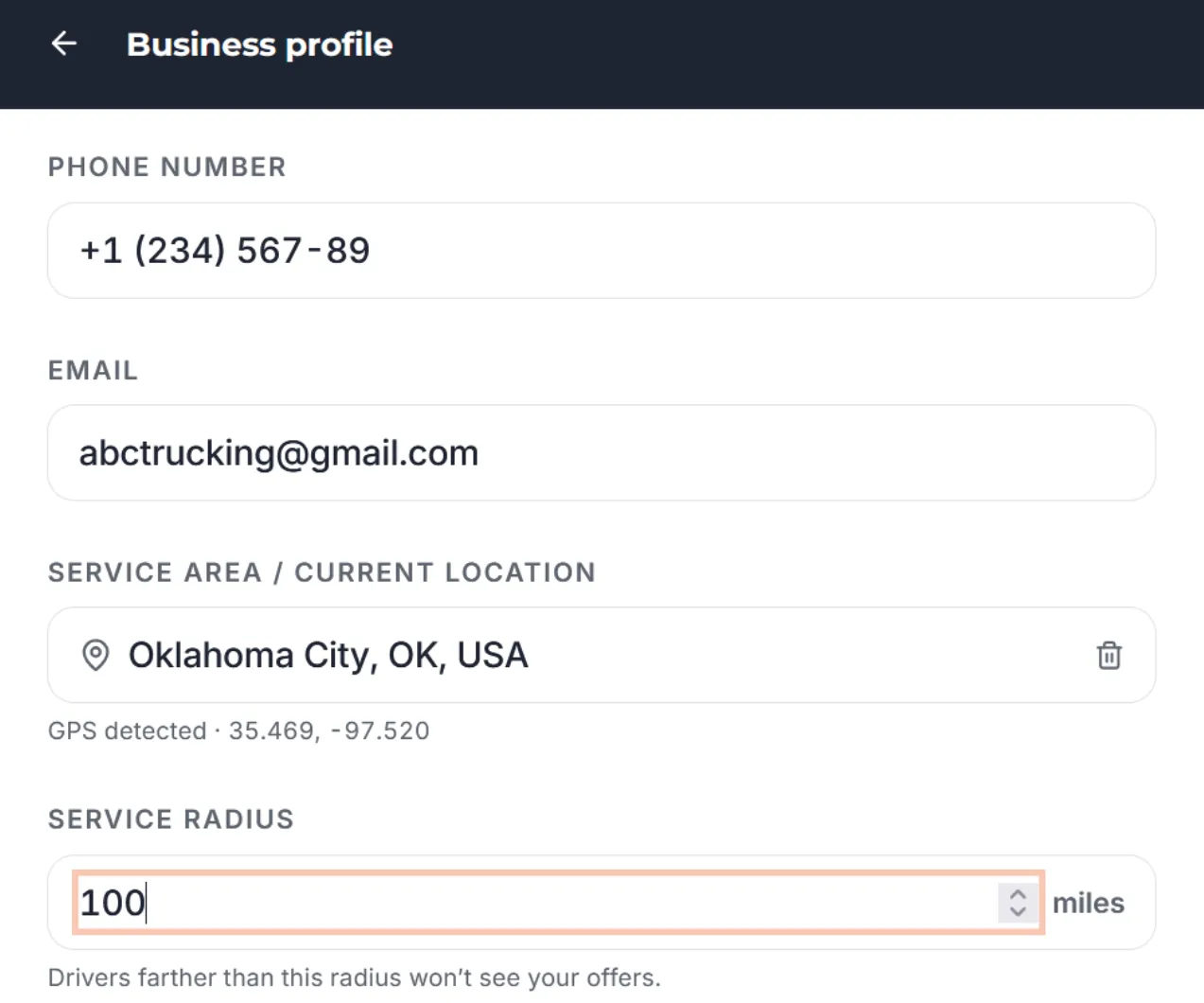
Registered vendors can create a business profile, specify their service location and coverage radius, and select the vehicle types and services they support. These may include:
- Mobile truck and trailer repairs
- Tire services
- Towing
- Battery assistance
- Fuel delivery
- Other roadside services
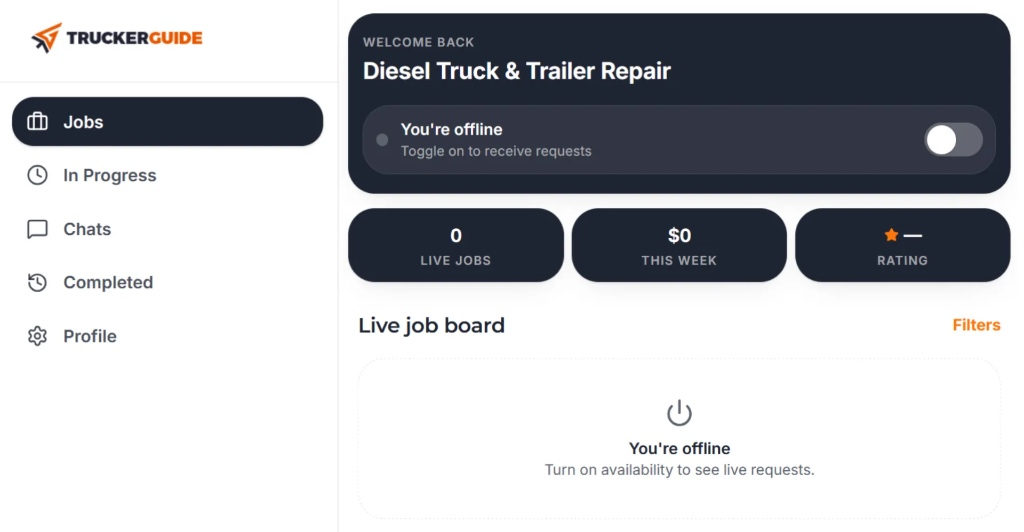
Once registered, vendors can enable incoming request notifications and monitor available jobs through the Live Job Board.
5. Make It Easy for Potential Customers to Choose Your Business
Generating interest is only part of the process. Once a potential customer finds a service provider, the information available can influence whether they decide to make contact. A complete and professional online presence helps establish credibility and makes the decision easier.
Here are several practical ways to improve how your business is presented online with Trucker Guide:
Keep business information consistent
Make sure your company name, phone number, location, website, and operating hours are accurate across all platforms.
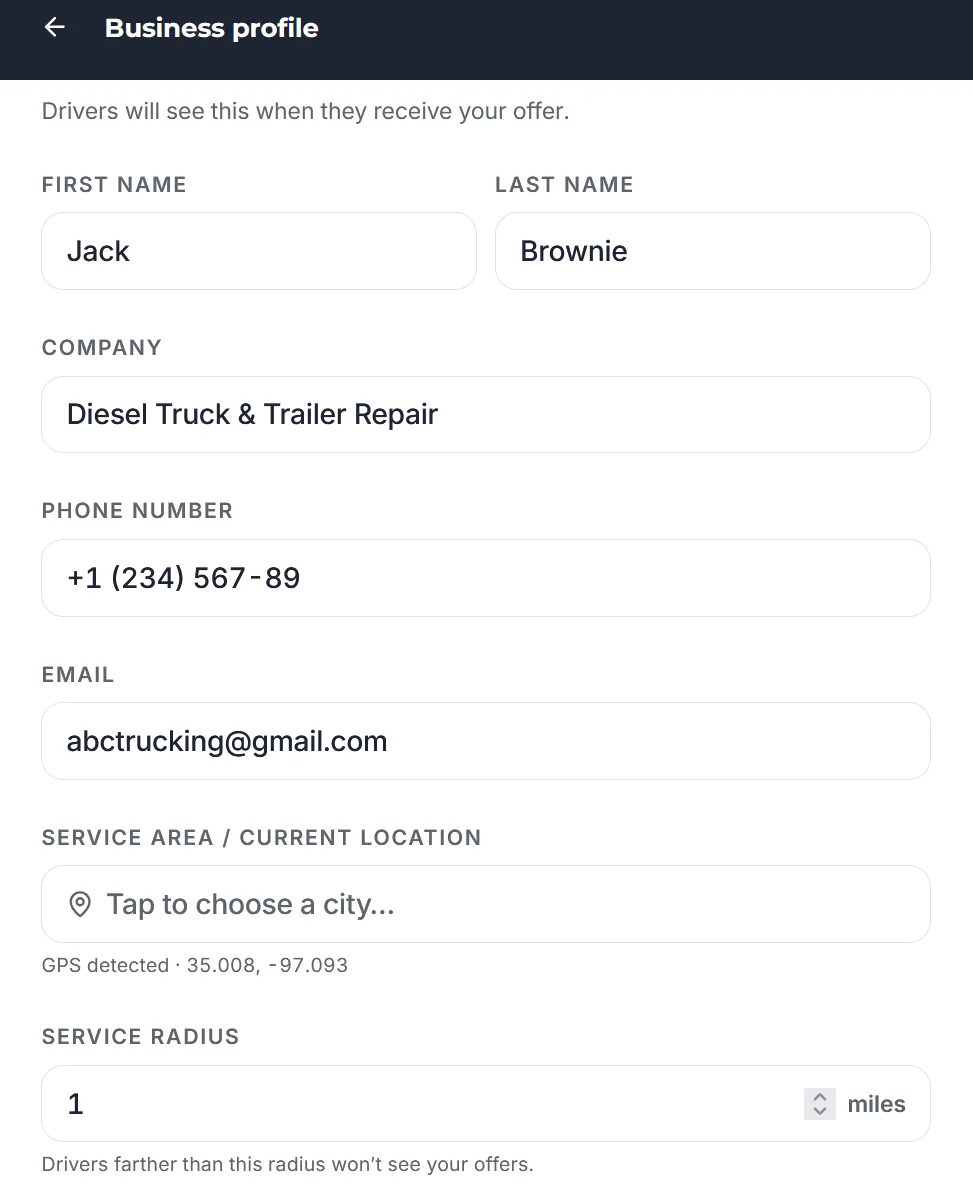
Clearly describe your services
Avoid generic descriptions such as “truck repair and roadside services.” Specify what you actually provide, whether that’s mobile tire replacement, engine diagnostics, trailer repair, heavy-duty towing, or emergency assistance.
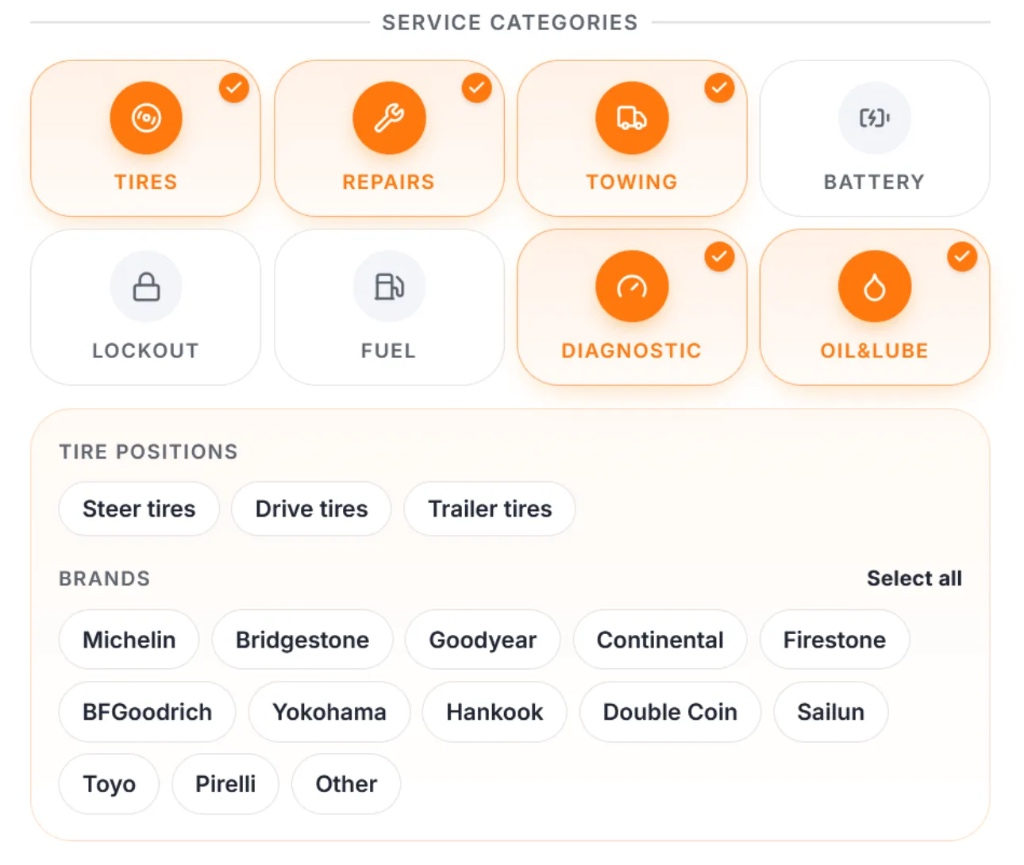
Highlight your service coverage
If you operate a mobile service business, clearly communicate the areas you cover. Drivers need to know whether you can reach their location.
Beyond helping drivers evaluate your business, a complete profile can also help providers identify relevant roadside assistance opportunities.
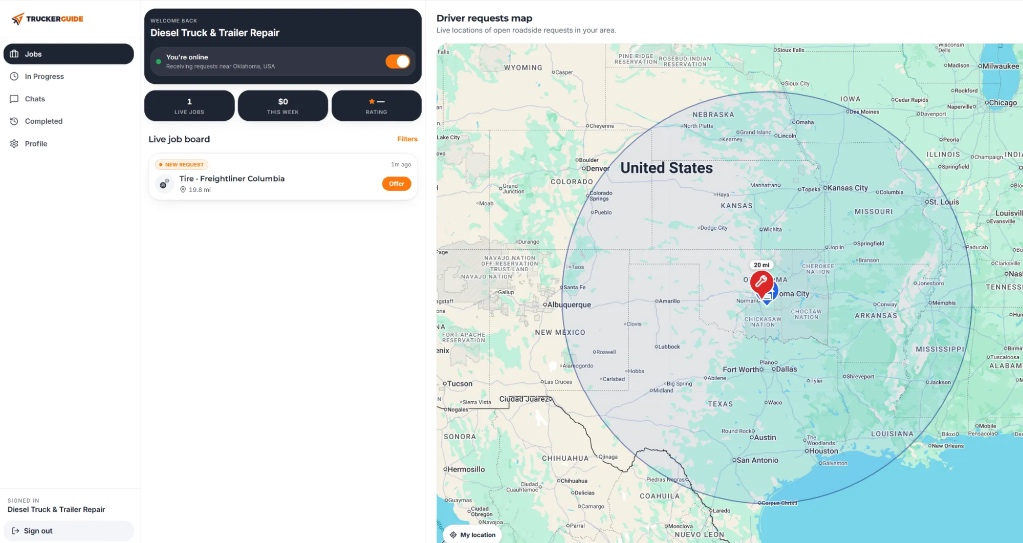
When a request matches their services and coverage area, providers can review the details, including the driver’s location, vehicle information, problem description, and photos when available.
Respond to relevant service requests
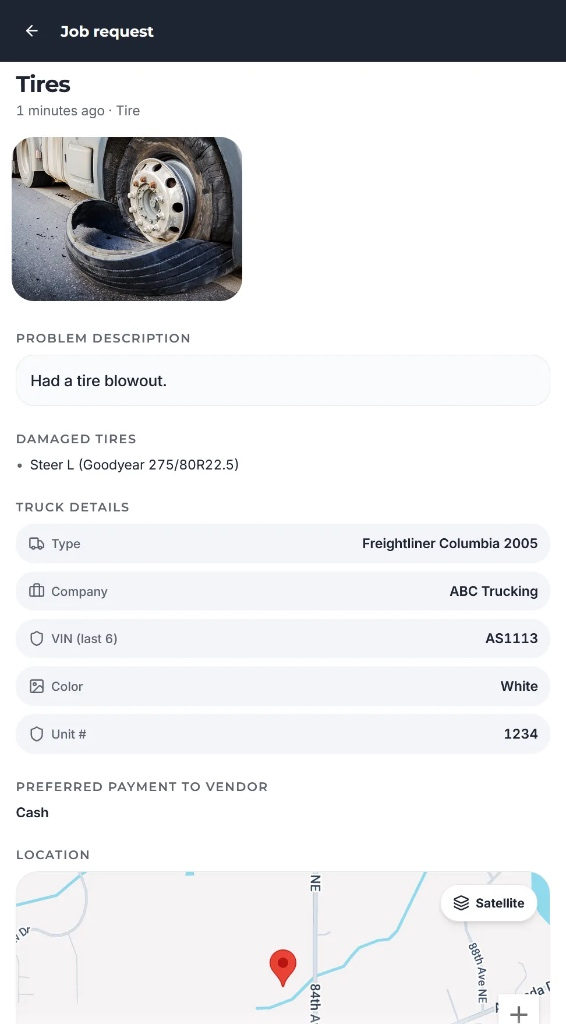
They can then submit an offer that includes pricing details, any additional charges, notes, and an estimated time of arrival (ETA). Drivers can review available offers and choose the provider that best fits their situation.
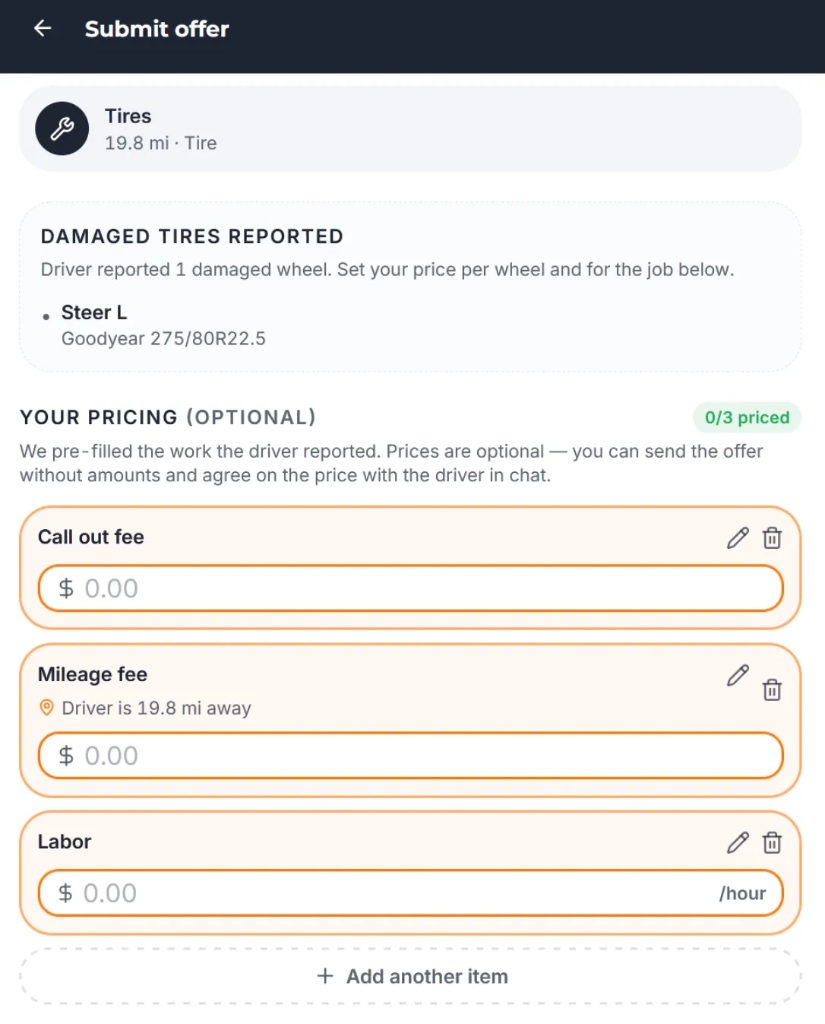
For service providers, this creates an additional opportunity to connect with drivers who are already looking for help rather than relying solely on general advertising to generate inquiries.
Collect and respond to customer reviews
Once a job is completed, encourage customers to leave a review. Positive reviews help build trust, while professional responses to customer feedback show that your business values its reputation.
These details are particularly important for roadside service providers because drivers often need to make decisions quickly and may be contacting a business for the first time.
6. Measure Which Marketing Channels Bring Real Business
Adding new marketing channels is useful only if businesses understand what they contribute.
A common mistake is evaluating marketing performance based exclusively on impressions, website traffic, or social media engagement. These numbers can indicate visibility, but they don’t necessarily show whether a campaign generates paying customers.
Instead, service providers should track activity throughout the customer journey. Consider the following metrics.
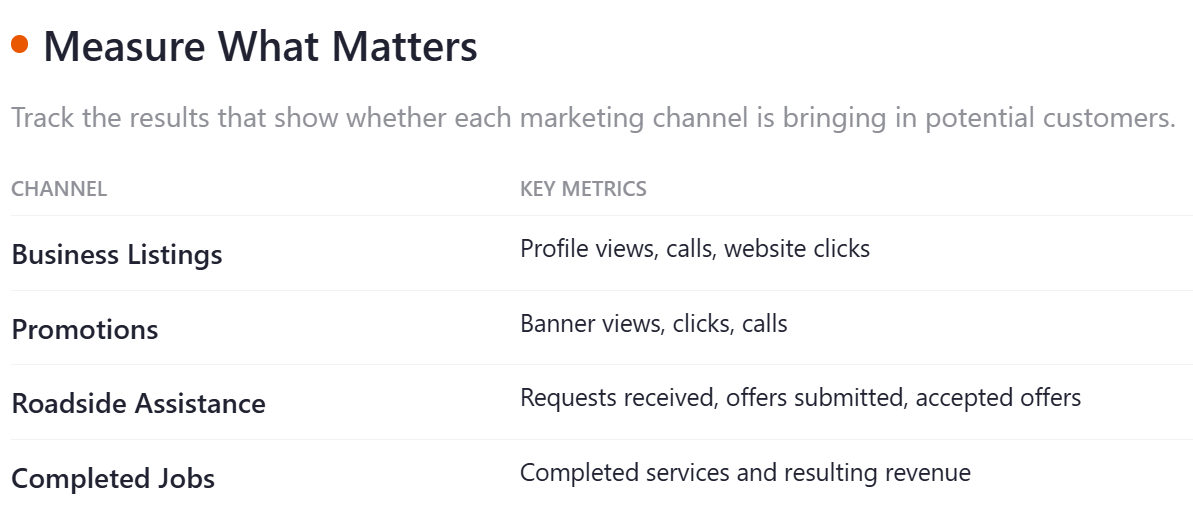
It’s also important to connect marketing data with actual business results.
For example, businesses can ask new customers how they discovered the company and compare those answers with incoming calls, inquiries, and completed service records.
This helps identify which channels contribute to customer acquisition and where marketing investments may be worth increasing. Over time, companies can use these insights to adjust their strategies, improve their messaging, and focus on the channels that bring the most relevant opportunities.
7. Build a More Diversified Customer Acquisition Strategy
There isn’t one marketing channel that works for every trucking service business. A mobile mechanic operating in a small geographic area may have different customer acquisition needs than a towing company covering several states or a heavy-duty repair shop serving local fleets.
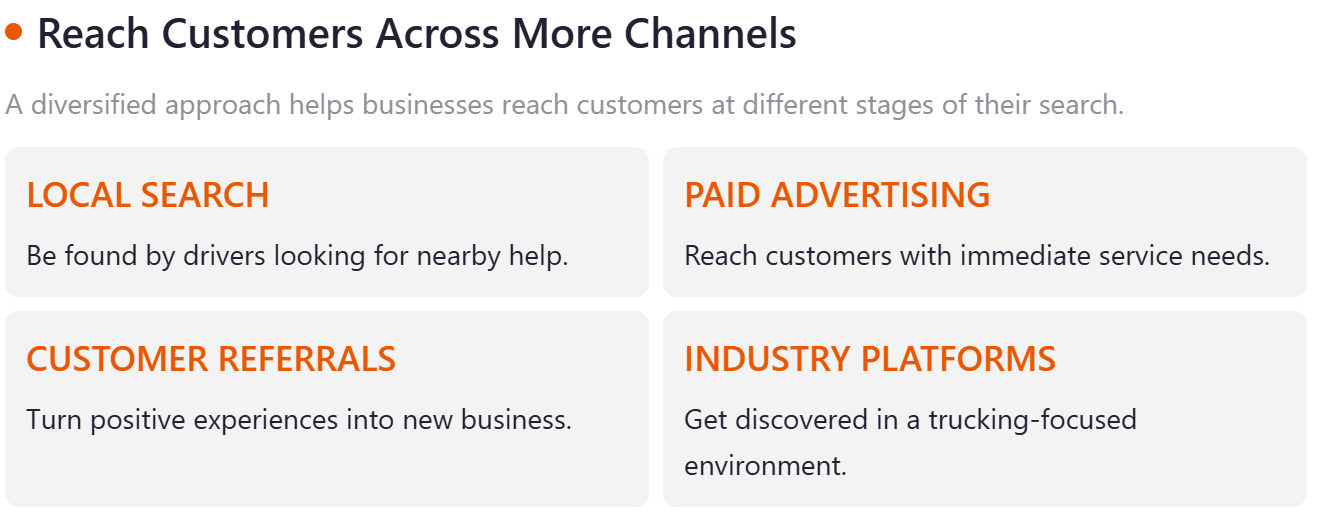
The most effective approach is to combine channels that serve different purposes.
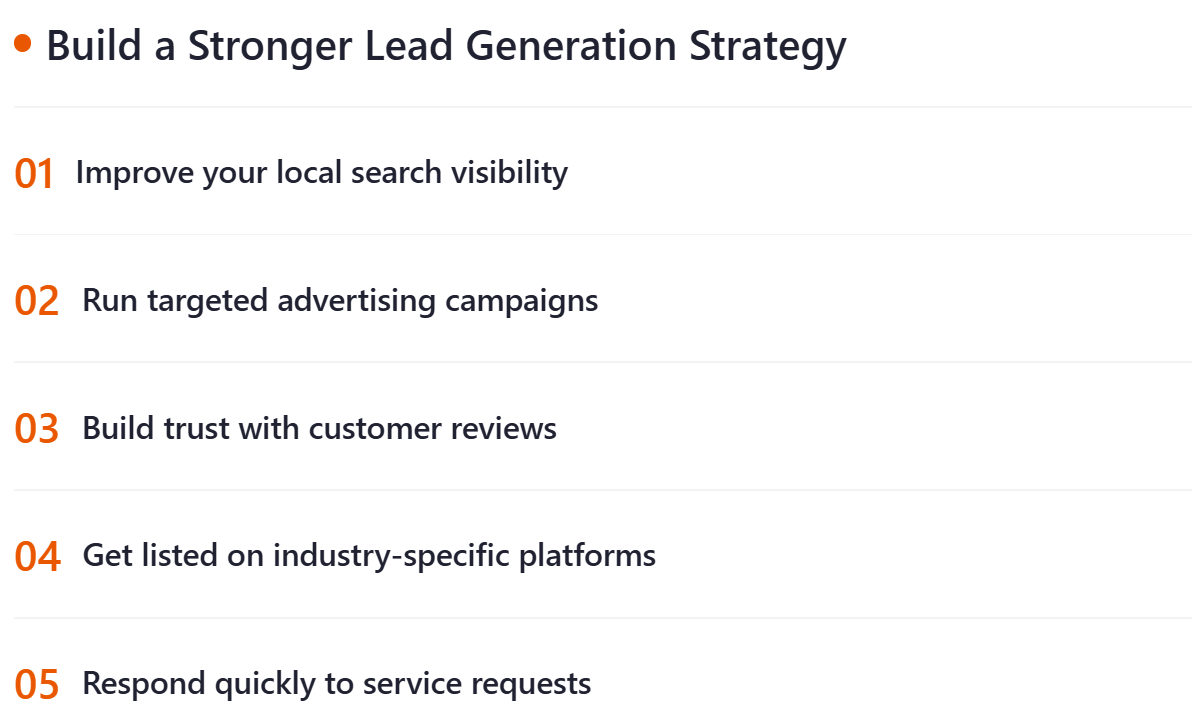
This approach reduces dependence on a single source of customers and gives businesses more opportunities to reach potential clients.
For trucking service providers, growing a customer base requires more than simply being present online. It means understanding how drivers find services, providing the information they need, and making it easy for them to connect with the right business.
Traditional marketing channels remain essential, but industry-specific platforms offer another way to reach commercial drivers and create new business opportunities.
By combining local search, paid advertising, social media, referrals, specialized business listings, and roadside assistance platforms, service providers can build a more diversified approach to customer acquisition.
For businesses looking to reach more commercial drivers, an industry-specific platform can be a valuable addition to that strategy. Trucker Guide brings business listings, promotional placements, and Roadside Assistance together to help trucking service providers connect with drivers looking for services.
Grow Your Trucking Business with Trucker Guide
Whether you run a heavy-duty repair shop, mobile mechanic service, towing company, or roadside assistance business, Trucker Guide offers additional ways to get your services in front of potential customers.
Explore Trucker Guide for Business and discover how your company can reach more customers.
Frequently Asked Questions
1. How can trucking service businesses generate more leads?
Trucking service businesses can attract more customers by combining traditional marketing channels, such as local SEO, Google Ads, social media, and referrals, with industry-specific platforms.
2. Why should trucking service providers use industry-specific marketing platforms?
Industry-specific platforms help businesses reach a more relevant audience: commercial drivers looking for truck-related services. They also allow providers to highlight important details such as available services, operating hours, service areas, supported vehicle types, and contact information.
3. How can mobile truck service providers attract more customers?
Mobile service providers should clearly communicate which services they offer, which vehicle types they support, and how far they can travel. Accurate business listings, local search visibility, customer reviews, and targeted promotions can help drivers find and evaluate their services.
4. How does Trucker Guide Roadside Assistance help service providers find new customers?
Trucker Guide Roadside Assistance connects drivers experiencing breakdowns with registered service providers. Vendors can specify their service areas and supported services, receive incoming requests, review job details, and submit offers with pricing and estimated arrival times.
5. How should trucking service businesses measure marketing performance?
Businesses should track more than impressions and website visits. Useful metrics include calls, inquiries, leads, accepted offers, and completed jobs. Asking new customers how they found the business and comparing their answers with sales records can help identify which marketing channels generate actual business.

Vladimir Gherbei is Founder, Owner & CEO of Element DMA (Google Partner · CallRail Partner). He has worked in digital marketing since 2015, launched his first agency Element in 2018, and focused Element DMA exclusively on auto and truck repair shops in 2024 — leading Google Ads campaign architecture, CallRail attribution, lead quality, and the proprietary EGL AI Platform.