

Best Keywords That Drive Calls for Mechanic Shops
You’re spending money on Google Ads, but the phone isn’t ringing. Or worse—it’s ringing with people asking about services you don’t offer, prices for jobs that aren’t worth your time, or callers from three towns over who won’t drive to your shop.
The problem isn’t that people aren’t searching for auto repair. They are—millions of times per month. The problem is you’re either targeting the wrong keywords or missing the high-intent searches that turn into actual appointments. While your competitors bid on generic terms that waste budget, the shops with full bays know exactly which keywords pull in customers who are ready to book today.
By the end of this article, you’ll know which keywords drive the most qualified calls for mechanic shops, how to use them in your Google Ads campaigns and website, and why certain search terms convert at 3-4x higher rates than others.
Contents:
- Build Your Keyword Strategy Through Google Ads Campaigns
- Optimize Your Website with Service-Specific Landing Pages
- Target Budget-Conscious Searches Without Attracting Tire-Kickers
- Capture Emergency and After-Hours Searches
- Use Negative Keywords to Filter Out Bad Traffic
- What You Can Do Right Now
- To Summarize
Build Your Keyword Strategy Through Google Ads Campaigns
The first thing we suggest auto repair shop owners do is launch targeted Google Ads campaigns focused on high-intent keywords, because it’s one of the core services we provide to paying clients at Element DMA, and we see its impact firsthand on call volume and booking quality.
Google Ads gives you immediate visibility for the exact searches customers use when they need repairs right now. Unlike SEO that takes months to build, ads put your shop at the top of search results within hours. But only if you’re bidding on the right keywords.
Why keyword selection makes or breaks your ad performance:
Every time we audit an auto repair shop’s Google Ads account, we see the same wasteful patterns—too broad keywords that attract tire-kickers, missing location modifiers that bring in calls from 50 miles away, or focusing on generic terms like “car repair” instead of service-specific searches like “brake repair near me.”
The difference between good and great keywords comes down to intent. Someone searching “how to change brake pads” is looking for information. Someone searching “brake repair open now near me” has a problem they need fixed today. That second search is worth 10x more to your business.
High-converting keyword categories for mechanic shops:
Emergency and urgent repair keywords convert at the highest rates because they capture customers in crisis mode. Terms like “mechanic open now,” “emergency brake repair [city],” “car won’t start help,” or “24 hour auto repair near me” pull in people who will call the first shop they see.
Service-specific local keywords combine what the customer needs with where they are. “Oil change [city],” “transmission repair near me,” “tire rotation [zip code],” or “check engine light diagnostic [neighborhood]” all indicate someone ready to book a specific service in your area.
According to WordStream’s industry benchmarks, automotive repair search ads average a 5-10% conversion rate, but when we work with auto repair shops at Element DMA targeting high-intent keywords, we regularly see conversion rates of 15-25% because we focus exclusively on bottom-funnel search terms.
Location modifiers multiply your conversion rate:
Adding your city, neighborhood, or “near me” to any service keyword dramatically improves call quality. Someone searching “mechanic” could be anywhere. Someone searching “mechanic downtown Phoenix” or “brake repair 85012” is in your service area and ready to drive over.
We always structure ad campaigns by service first (brake repair, oil change, diagnostic), then layer in tight geographic targeting within 10-15 miles of the shop. This combination ensures every click has a reasonable chance of converting into an appointment.
Optimize Your Website with Service-Specific Landing Pages
Your Google Ads are only as effective as the pages they send traffic to. A dedicated landing page for each major service category—with the right keywords—converts significantly better than sending everyone to your homepage.
Create focused pages for your highest-demand services:
Build separate landing pages for brake repair, oil change, transmission service, engine diagnostics, and any specialty services you offer. Each page should target the specific keywords customers use for that service.
Your brake repair page should include variations like “brake repair [city],” “brake pad replacement,” “brake service near me,” and “squeaking brake fix.” Don’t just stuff keywords—use them naturally in headings, service descriptions, and your page title.
Include your local area throughout the content. If you serve Tempe, Arizona, your page should mention “brake repair in Tempe” multiple times, reference nearby neighborhoods, and emphasize your location advantage.
Essential elements for high-converting landing pages:
Every service page needs a prominent phone number at the top, a simple contact form, clear pricing or price ranges, customer reviews specific to that service, and before/after photos if applicable. These elements work together to turn visitors into callers.
According to Unbounce, landing pages focused on a single service convert 2-3x better than general pages. We see this consistently—a shop’s “transmission repair” landing page will outperform their general “services” page by a massive margin.
Target Budget-Conscious Searches Without Attracting Tire-Kickers
Many shop owners avoid keywords with “cheap” or “affordable” because they fear attracting customers who won’t pay. That’s a mistake. These keywords, when used correctly, can drive high volumes of qualified calls.
Use price-conscious keywords strategically:
Terms like “affordable brake repair [city],” “best price oil change near me,” or “mechanic coupons [zip code]” attract customers who are price-aware but still ready to pay for quality work. They’re comparing options, not looking for free repairs.
The key is pairing these keywords with landing pages that emphasize value, not just low prices. Show your certifications, warranty, quality parts, and customer reviews. Frame your pricing as fair and transparent, not the cheapest in town.
Avoid keywords with “free” or “DIY” as those truly attract people who won’t become customers. But “affordable” and “best price” shoppers will absolutely convert if you demonstrate value.
Capture Emergency and After-Hours Searches
Some of the highest-converting keywords in the automotive repair space relate to urgent situations and non-standard hours. If you offer 24/7 service or even just extended hours, these keywords are goldmines.
Emergency keywords drive immediate calls:
“Car won’t start,” “emergency mechanic,” “roadside repair,” “towing service near me,” and “mechanic open Sunday” all capture customers who need help right now and aren’t price shopping.
Even if you don’t offer true 24/7 service, you can still target “mechanic open late” or “Saturday auto repair” if you have extended hours. Just make sure your actual availability is clear on the landing page.
One pattern we notice across the shops we work with is that emergency keywords have lower search volume but dramatically higher conversion rates—sometimes 20-30% compared to 8-10% for standard service keywords.
Use Negative Keywords to Filter Out Bad Traffic
Knowing which keywords to avoid is just as important as knowing which to target. Negative keywords prevent your ads from showing up for searches that will never convert.
Common negative keywords for auto repair shops:
Add “jobs,” “careers,” “salary,” “training,” and “school” to filter out job seekers. Include “free,” “DIY,” “how to,” “YouTube,” and “tutorial” to avoid do-it-yourselfers. Block “parts,” “wholesale,” and “junkyard” unless you sell parts separately.
Also consider negating competitor names if you don’t want to bid on those terms, cities outside your service area, and any services you definitely don’t offer like “body shop” if you don’t do collision repair.
Regularly review your search terms report in Google Ads to find new negative keywords. You’ll discover bizarre searches you never imagined people would use, and adding them to your negative list incrementally improves campaign efficiency.
What You Can Do Right Now
Here’s your action plan to start driving more qualified calls through better keyword targeting:
- Audit your current Google Ads keywords and remove generic terms that don’t include service or location specifics
- Add location modifiers (your city, neighborhood, or “near me”) to all your top service keywords
- Create dedicated landing pages for your three most-requested services with keyword-optimized content
- Build a negative keyword list starting with “jobs,” “DIY,” “free,” and “how to”
- Add emergency keywords like “mechanic open now” and “[service] near me” if you’re not targeting them yet
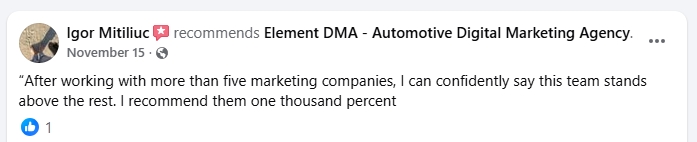
- You can also contact our team at Element DMA to see how we can bring your shop 100-600 qualified calls per month. Click here to see the results we obtained for other shops + testimonials.
To Summarize
The best ways for your shop to drive more qualified calls is to target high-intent keywords in Google Ads campaigns focused on service-specific and location-based searches, create dedicated landing pages for each major service optimized with the keywords customers actually use, and continuously filter out low-quality traffic with negative keywords. Working with a team like Element DMA can accelerate this process by implementing proven keyword strategies that have driven thousands of qualified calls for auto repair shops.
All the auto repair shops that work with us at Element DMA have Google Ads campaigns built around high-converting keywords, service-specific landing pages optimized for local search, and tracking systems that show exactly which keywords drive phone calls and appointments. Once you implement the keyword targeting strategies we’ve shared from experience, you can expect to see similar results—more calls from customers who are ready to book, not just browse.