

19 Auto Repair Marketing Strategies To Drive More Customers To Your Shop
Your bays are empty more often than they should be. You’ve got ASE-certified techs, quality equipment, and fair prices—but customers keep choosing the shop down the street. You’ve tried a few things that didn’t work, and now you’re wondering which marketing tactics actually bring in paying customers instead of just burning through your budget.
The truth is, most auto repair shops waste money on marketing strategies that sound good but don’t drive calls. They post randomly on social media, run generic ads, or wait for word-of-mouth referrals while competitors with aggressive marketing strategies fill their schedules weeks in advance.
By the end of this article, you’ll know exactly which marketing strategies drive the most customers to auto repair shops with 5+ bays, which ones to prioritize first, and which common tactics waste your time and money.
Contents:
- Start with Google Business Profile Optimization—Your Most Valuable Digital Asset
- Layer in Targeted Google Ads for Immediate Call Volume
- Build Service-Specific Landing Pages for Maximum Conversion
- Use Call Tracking to Know What’s Actually Working
- Generate Reviews Systematically, Not Randomly
- Implement Email Marketing for Repeat Business
- Consider These Additional High-Impact Strategies
- What You Can Do Right Now
- To Summarize
Start with Google Business Profile Optimization—Your Most Valuable Digital Asset
The first thing we suggest auto repair shop owners do is fully optimize their Google Business Profile, because it’s one of the foundational services we provide to paying clients at Element DMA, and we see its impact firsthand on local visibility and call volume.

Your Google Business Profile determines whether you appear in the local map pack when someone searches “brake repair near me” or “mechanic open now.” Those top three map results capture over 50% of all clicks from local searches, according to BrightLocal‘s research. If your profile is incomplete or poorly optimized, you’re invisible to the majority of potential customers in your area.
What makes GBP optimization critical for customer acquisition:
When we audit Google Business Profiles for auto repair shops, we consistently see shops losing customers to competitors simply because their profile lacks the basics. Missing service categories, low-quality photos, sparse descriptions, and irregular posting all signal to both Google and customers that your shop isn’t active or established.
A complete, optimized profile includes accurate business information with matching name, address, and phone across all platforms, high-quality photos of your facility, team, and actual work (not stock images), comprehensive service listings covering every repair you offer, regular weekly posts showing offers, tips, or shop updates, and prompt responses to all reviews within 24-48 hours.
The shops we work with that maintain active, complete profiles consistently appear in the top 3 map pack positions for their service area. This translates directly to calls—we’ve seen shops go from 15 calls per week to 40+ just from proper GBP optimization and regular posting.
The posting frequency factor:
Google rewards active profiles with better visibility. At Element DMA, we ensure auto repair shops post at least weekly to their Google Business Profile—whether it’s a service spotlight, a special offer, or a quick maintenance tip. This regular activity signals to Google that the business is operational and engaged with customers.
Posts also give you fresh opportunities to show up in search results for specific services. A post about “brake pad replacement special” can help you rank for brake-related searches beyond your standard profile listing.
Layer in Targeted Google Ads for Immediate Call Volume
Once your foundation is solid with GBP optimization, the next step is running targeted Google Ads campaigns focused on high-intent service keywords—brake repair, transmission service, check engine diagnostics—in your specific service area.
Google Ads gives you immediate visibility at the top of search results for people actively looking for repairs right now. Unlike organic strategies that take months to build, ads can start driving calls within hours of launch.
Why service-specific campaigns outperform general advertising:
We always structure Google Ads campaigns by individual service category rather than lumping everything into one general “auto repair” campaign. Someone searching “transmission repair [city]” has a completely different intent and urgency than someone searching “oil change near me.”
By creating separate campaigns for transmission repair, brake service, engine diagnostics, AC repair, and other major services, you can write more relevant ad copy, send traffic to service-specific landing pages, and track exactly which repairs drive the most profitable calls.
According to WordStream, automotive repair ads average a 5-10% conversion rate industry-wide. When we work with auto repair shops at Element DMA targeting bottom-funnel keywords with optimized landing pages, we regularly achieve 15-25% conversion rates because every element—from search term to landing page—is aligned with customer intent.
The landing page connection:
Your Google Ads are only as effective as the pages they send traffic to. Each major service needs its own landing page with the specific information customers need to make a decision—what the service includes, approximate pricing or price ranges, how long it takes, and most importantly, a prominent phone number and contact form at the top.
Generic homepage traffic converts at 2-3%. Service-specific landing page traffic converts at 8-15%. That difference multiplies your return on every ad dollar spent.
Build Service-Specific Landing Pages for Maximum Conversion
Creating dedicated landing pages for each major service you offer isn’t just about Google Ads—it’s also critical for organic search visibility and converting any traffic source into phone calls.
Essential elements for high-converting service pages:
Each service page needs a clear headline with the service and your location, detailed explanation of what the service includes, transparent pricing information (even if it’s a range), customer reviews specific to that service, before/after photos or videos when applicable, and a simple contact form alongside your phone number.
Your brake repair page should answer every question a customer might have about brake service—what you inspect, what gets replaced, typical costs, how long it takes, warranty information, and why they should choose your shop. The same thoroughness applies to transmission, diagnostics, oil changes, and every other major service.
We’ve seen service pages alone drive 20-30% of a shop’s monthly call volume when properly optimized for search and conversion. They work 24/7 capturing customers who research before calling.
Use Call Tracking to Know What’s Actually Working
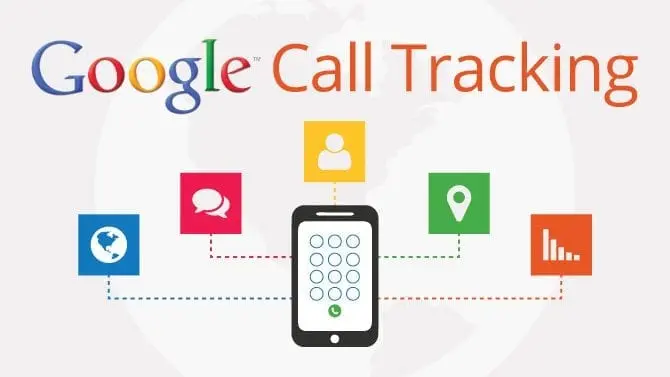
You can’t improve what you can’t measure. Call tracking shows you exactly which marketing efforts generate phone calls and which are wasting money.
What call tracking reveals:
Assign unique phone numbers to different marketing channels—one for Google Ads, one for your website, one for flyers, one for your Google Business Profile. When calls come in, you’ll know exactly where they originated.
More importantly, call recording lets you hear the actual conversations. You’ll discover which services customers ask about most, what objections your team needs to address better, and which calls convert to appointments versus price shoppers who hang up.
This data informs everything else. If your Google Ads for brake repair drive 30 calls but only 5 book appointments, you have either a pricing issue, a phone handling issue, or you’re attracting the wrong customers with your ad copy.
Generate Reviews Systematically, Not Randomly
Online reviews directly impact both your search visibility and customer trust. Shops with 50+ Google reviews and 4.5+ star averages consistently outrank competitors with fewer reviews.

Create a review generation system:
Request reviews from every satisfied customer through automated post-service text messages or emails with a direct link to your Google Business Profile. Make it simple—one click should take them directly to the review form.
Train your service advisors to ask verbally during vehicle pickup: “If we did a good job today, would you mind leaving us a quick Google review? We’d really appreciate it.” Most happy customers will comply if asked at the right moment.
Respond to every review—positive and negative—within 24 hours. Thank customers for positive feedback by name and address negative reviews professionally with solutions. This shows future customers that you care about service quality and customer satisfaction.
Implement Email Marketing for Repeat Business
Your existing customer base is your most valuable marketing asset. Email keeps you top-of-mind and brings customers back for regular maintenance before they think to go elsewhere.
Effective email campaigns for auto repair shops:
Send service reminders based on typical maintenance intervals—oil changes every 3-6 months, tire rotations every 6,000 miles, annual inspections. These automated reminders capture business you’d otherwise lose to competitors or customers simply forgetting.
Seasonal campaigns work well too. Send “winter vehicle prep” emails in November, “spring maintenance checkup” messages in March, and “summer road trip inspection” reminders in May. These timely messages align with customer needs and drive immediate bookings.
The shops we work with that implement systematic email marketing see 15-20% of monthly revenue come from email-driven appointments. That’s business you already earned once—email just brings them back.
Consider These Additional High-Impact Strategies
Beyond the core tactics above, several other strategies can significantly boost customer acquisition depending on your market and capacity.
Local Service Ads for verified lead generation:
Google’s Local Service Ads put your shop at the very top of search results with a “Google Guaranteed” badge. You only pay for actual customer contacts, not clicks. For shops in competitive markets, LSAs provide high-quality leads with better trust signals than regular ads.
Strategic community involvement:
Sponsor local youth sports teams, participate in community events, or host car care clinics at libraries or senior centers. This offline visibility builds brand recognition that translates to calls when people need repairs. Take photos of every community involvement and share them on your Google Business Profile and social media.
Referral incentives that actually motivate:
Offer $20-25 credit to both the referrer and new customer. Make it trackable with unique referral codes. Promote the program prominently in your waiting area, on invoices, and in post-service emails. A formal referral program generates 3-5x more referrals than hoping for organic word-of-mouth.
SMS marketing for time-sensitive communication:
Text messages have 90%+ open rates compared to 20-30% for email. Use SMS for appointment reminders, vehicle-ready notifications, and limited-time service offers. “Your truck is ready for pickup” or “Today only: $20 off any repair over $200” drive immediate action.
Video content for trust and education:
Short videos explaining common repairs, showing your facility, or introducing your team build trust faster than any other content format. Post them to YouTube, your Google Business Profile, and social media. Even simple phone-recorded videos outperform text in engagement and conversion.
What You Can Do Right Now
Here’s your priority action plan to start driving more customers this week:
- Complete every section of your Google Business Profile including all services, accurate hours, and high-quality photos of your facility
- Start posting to your Google Business Profile weekly with service spotlights, offers, or maintenance tips
- Create dedicated landing pages for your top 3 services with clear pricing information and prominent contact forms
- Implement a systematic review request process through post-service text messages or emails
- Set up call tracking to identify which marketing channels drive actual appointments versus just inquiries
- You can also contact our team at Element DMA to see how we can bring your shop 100-600 qualified calls per month. Click here to see the results we obtained for other shops + testimonials.
To Summarize
The best ways for your shop to drive more customers is to optimize your Google Business Profile for maximum local visibility, run targeted Google Ads campaigns focused on specific services in your area, create service-specific landing pages that convert traffic into calls, and implement systematic review generation to build trust and search rankings. Working with a marketing team like Element DMA can accelerate these results by implementing proven strategies that have driven thousands of customers to auto repair shops across the country.
All the auto repair shops that work with us at Element DMA have fully optimized Google Business Profiles with regular posting, targeted Google Ads campaigns structured by service type, comprehensive tracking systems showing exactly which marketing drives appointments, and systematic review generation that builds 4.5+ star ratings. Once you implement the customer acquisition strategies we’ve shared from experience, you can expect to see similar results—more qualified calls, fuller bays, and predictable growth.